
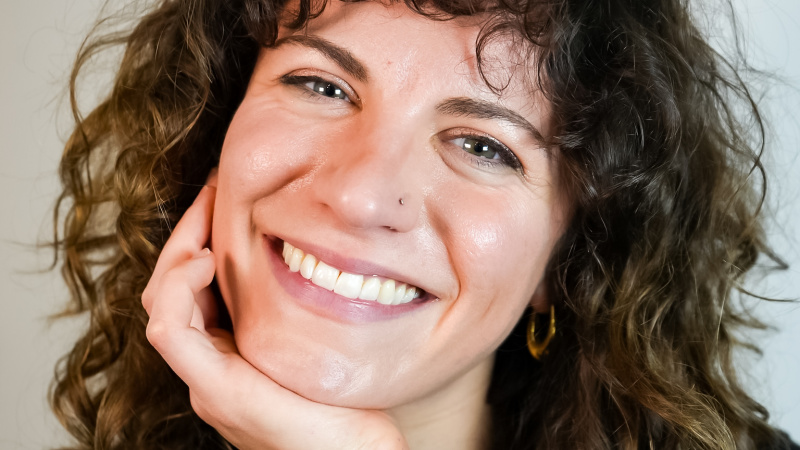
What makes a story stick? In this episode, Erick talks with visual artist and graphic recorder Sarah Goon, who transforms spoken presentations into live illustrations. After Sarah visually captured Erick’s keynote, “The World Belongs to the Encourager,” the two reconnect to explore how pictures, words, emotion, and curiosity work together to make ideas memorable.
Sarah explains what it takes to translate a speaker’s message into visual notes in real time, why she uses color with intention, and how the same storytelling principles can strengthen our everyday conversations at work and at home.
Sarah describes live graphic recording as entering a flow state: she sets aside her own opinions and follows the speaker’s journey. She shares a memorable example of capturing a dairy-industry event despite being vegan. She also explains how a small set of colors can organize meaning, with specific hues helping viewers recognize important ideas across a finished visual.
Choose one story from your own life that illustrates a lesson worth sharing. Give it a clear beginning, middle, and takeaway. Tell it to someone, pay attention to their response, and consider how you could make it more relevant to that person.
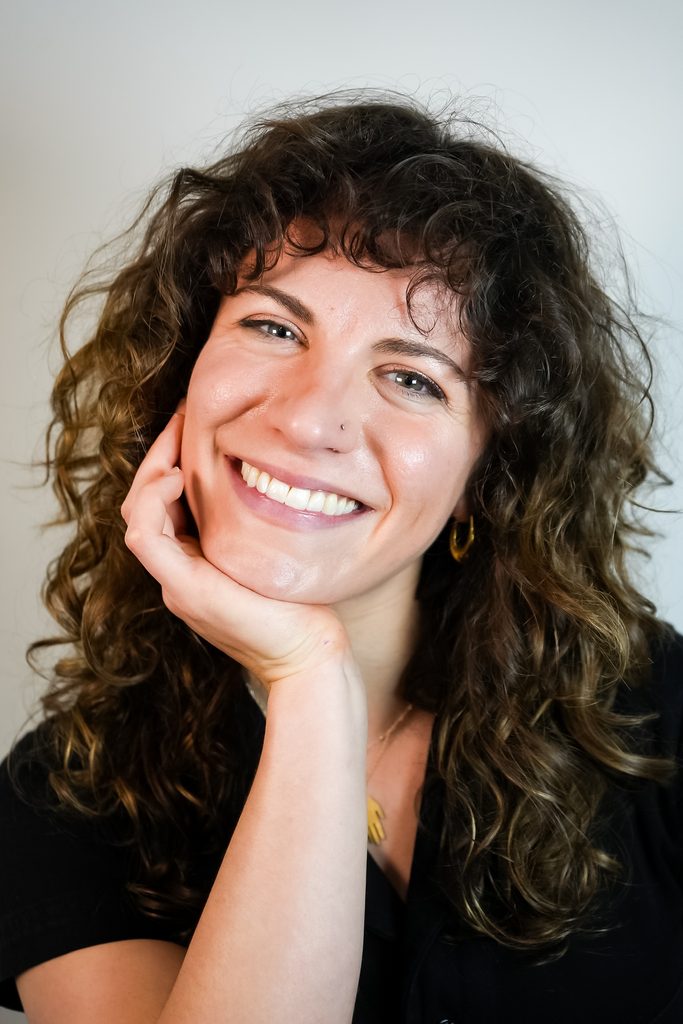
Sarah Goone is the founder of Radiant Eye Studio, a Brooklyn-based creative studio that turns live meetings and conferences into vivid visual notes, drawn by hand in real time.
With more than eight years of graphic recording experience and 300+ live sessions drawn for clients in tech, healthcare, finance, and beyond, she helps teams see their ideas take shape as they talk, making the conversation stick long after the event ends.
Beyond visual notes, Radiant Eye Studio also creates murals, art activations, and workshops for organizations across the country.
Explore Radiant Eye Studio and Sarah’s work. The episode landing page can also feature the live visual Sarah created during Erick’s keynote, “The World Belongs to the Encourager.” Click Here to see Sarah’s work.
Storytelling is not just for speakers and artists. It is how we help people see what matters, understand one another, and remember ideas long after a conversation ends. Tell stories with intention—and pay attention to the people receiving them.
